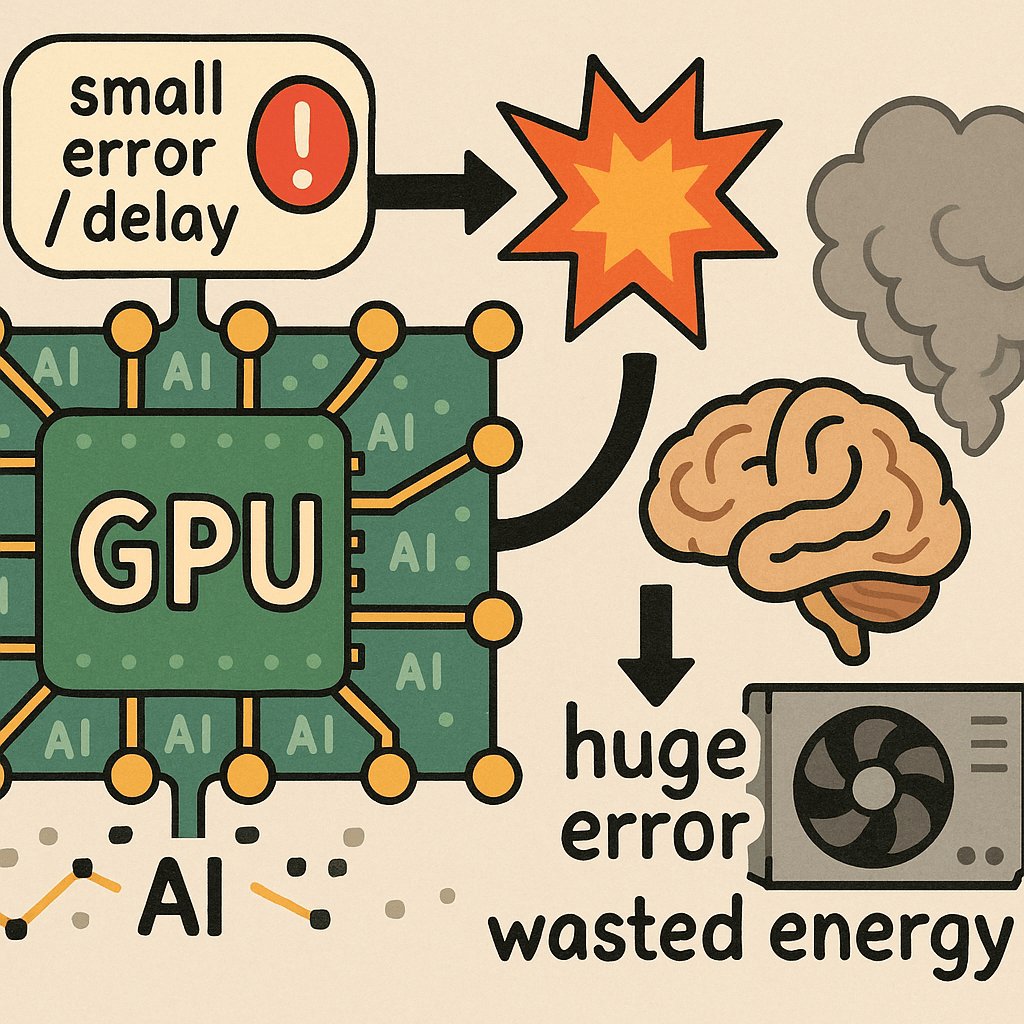
The image shows how even a small error or delay in GPU-based large-scale parallel AI processing can cause major output failures and energy waste, highlighting the critical importance of data quality—especially accuracy and precision—in AI systems.
ESS System Analysis for AI Datacenter Power Control
This diagram illustrates the ESS (Energy Storage System) technology essential for providing flexible high-power supply for AI datacenters. Goldman Sachs Research forecasts that AI will drive a 165% increase in datacenter power demand by 2030, with AI representing about 19% of datacenter power demand by 2028, necessitating advanced power management beyond traditional UPS limitations.
ESS System Features for AI Datacenter Applications
1. High Power Density Battery System
Rapid Charge/Discharge: Immediate response to sudden power fluctuations in AI workloads
Large-Scale Storage: Massive power backup capacity for GPU-intensive AI processing
High Power Density: Optimized for space-constrained datacenter environments
2. Intelligent Power Management Capabilities
Overload Management: Handles instantaneous high-power demands during AI inference/training
GPU Load Prediction: Analyzes AI model execution patterns to forecast power requirements
High Response Speed: Millisecond-level power injection/conversion preventing AI processing interruptions
Predictive Analytics: Machine learning-based power demand forecasting
3. Flexible Operation Optimization
Peak Shaving: Reduces power costs during AI workload peak hours
Load Balancing: Distributes power loads across multiple AI model executions
Renewable Energy Integration: Supports sustainable AI datacenter operations
Cost Optimization: Minimizes AI operational expenses through intelligent power management
Central Power Management System – Essential Core Component of ESS
The Central Power Management System is not merely an auxiliary feature but a critical essential component of ESS for AI datacenters:
1. Precise Data Collection
Real-time monitoring of power consumption patterns by AI workload type
Tracking power usage across GPU, CPU, memory, and other components
Integration of environmental conditions and cooling system power data
Comprehensive telemetry from all datacenter infrastructure elements
2. AI-Based Predictive Analysis
Machine learning algorithms for AI workload prediction
Power demand pattern learning and optimization
Predictive maintenance for failure prevention
Dynamic resource allocation based on anticipated needs
3. Fast Automated Logic
Real-time automated power distribution control
Priority-based power allocation during emergency situations
Coordinated control across multiple ESS systems
Autonomous decision-making for optimal power efficiency
ESS Advantages over UPS for AI Datacenter Applications
While traditional UPS systems are limited to simple backup power during outages, ESS is specifically designed for the complex and dynamic power requirements of AI datacenters:
Proactive vs. Reactive
UPS: Reactive response to power failures
ESS: Proactive management of power demands before issues occur
Intelligence Integration
UPS: Basic power switching functionality
ESS: AI-driven predictive analytics and automated optimization
Scalability and Flexibility
UPS: Fixed capacity backup power
ESS: Dynamic scaling to handle AI servers that use up to 10 times the power of standard servers
Operational Optimization
UPS: Emergency power supply only
ESS: Continuous power optimization, cost reduction, and efficiency improvement
This advanced ESS approach is critical as datacenter capacity has grown 50-60% quarter over quarter since Q1 2023, requiring sophisticated power management solutions that can adapt to the unprecedented energy demands of modern AI infrastructure.
Future-Ready Infrastructure
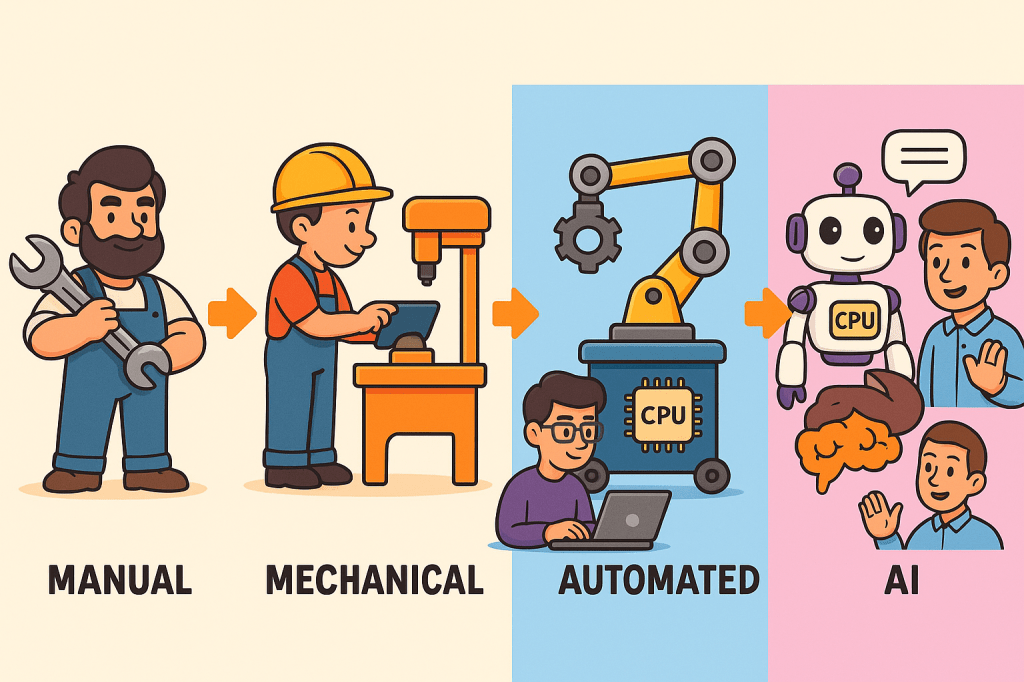
ESS represents the evolution from traditional backup power to intelligent energy management, essential for supporting the next generation of AI datacenters that demand both reliability and efficiency at massive scale.





 Lechuck Park