From DALL-E with some prompting The image depicts the process of applying operational optimization to machinery using AI-driven data analysis. It emphasizes the necessity of incrementally and step-by-step implementing AI-suggested optimizations while considering operational stability. AI collects and analyzes machine data to propose optimizations, which are then tested and verified in stages before full operational implementation. This approach underlines the importance of minimizing operational risks while effectively deploying AI solutions
From DALL-E with some prompting The image introduces the overarching functionality of the Internet Control Message Protocol (ICMP). ICMP serves to provide feedback when network equipment cannot further forward packets, explaining the reasons via messages indicating destination unreachable, time exceeded, parameter problems, among others. It also includes the redirect function, suggesting better routing paths between network devices, thus enhancing the overall network efficiency. Fundamentally, ICMP operates on a request and reply structure, which is essential for checking network status and diagnosing issues.
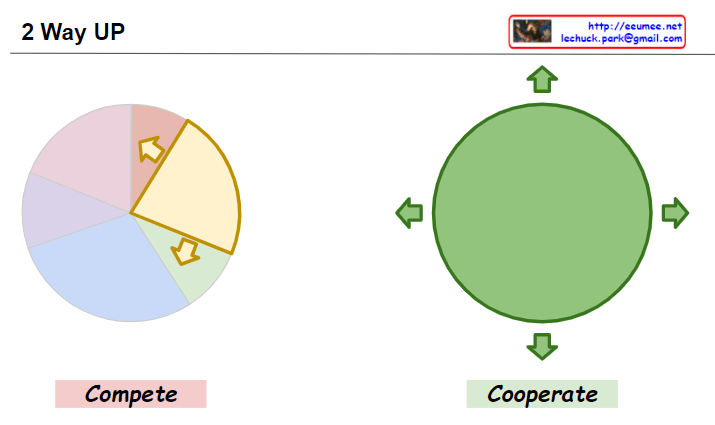
From DALL-E with some prompting The image depicts two distinct approaches: competition and collaboration. The left circle represents a competitive environment where each colored segment indicates the process of gaining and taking performance from others, with upward arrows symbolizing individual growth through competition. In contrast, the green circle on the right symbolizes collaboration, where everyone works towards a unified goal, indicated by the green color, amplifying the overall performance. The illustration conveys that while competition divides success among individuals, collaboration enhances the collective benefit of the group.
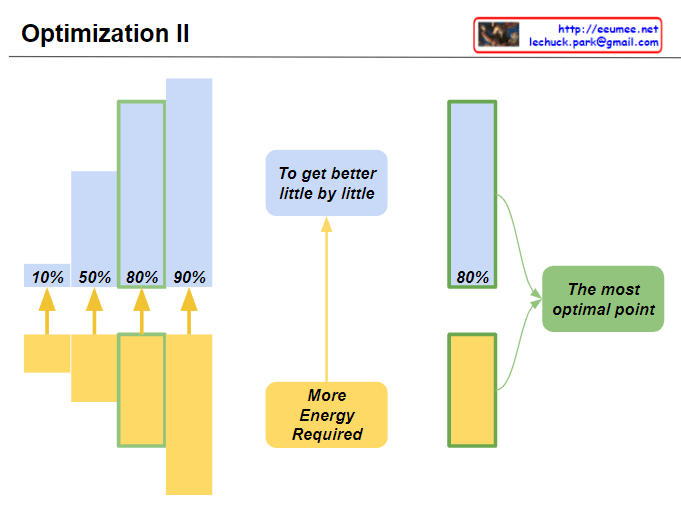
From DALL-E with some prompting The image represents an optimization process depicted by a bar graph. The left side of the graph displays efficiency levels at 10%, 50%, 80%, and 90%, with increasing energy requirements indicated by golden arrows for each efficiency milestone. It visually communicates that while efficiency can be incrementally improved through optimization, achieving higher levels of efficiency demands progressively more energy.
On the right, a bar indicating 80% efficiency is highlighted as “the most optimal point,” suggesting a balance between efficiency and energy demand. This point reflects the trade-off where further increases in efficiency may not be economically justified due to the additional energy cost. The phrase “To get better little by little” suggests that the ideal point of optimization can be reached through gradual improvement.
From DALL-E with some prompting The image illustrates the interaction between an alert system and a data analysis system, comprised of two distinct stages:
Raw Level Hardware (HW) Alert Detection: This stage emphasizes internal alarms, which are hardwired to ensure that alerts are raised in critical situations without any buffering, allowing for the fastest possible alarm detection. The message “Don’t forget This Step is required” underscores the indispensability of this stage.
Analyzed Software (SW) Alert Detection: Data passes through storage devices to analysis tools, where it can be subject to delays or potential loss. The data is analyzed by code, enabling advanced analysis with AI. However, the phrase “Even though You have a wonderful Data Analysis System” reiterates the importance of raw-level alert detection, regardless of the sophistication of the data analysis system.
Overall, the image indicates that raw-level alerts are crucial for immediate response needs, and while advanced data analysis can enhance system alerting and monitoring, it cannot replace the need for immediate alert mechanisms. The title “Never miss an alert” emphasizes the critical nature of these alert systems.
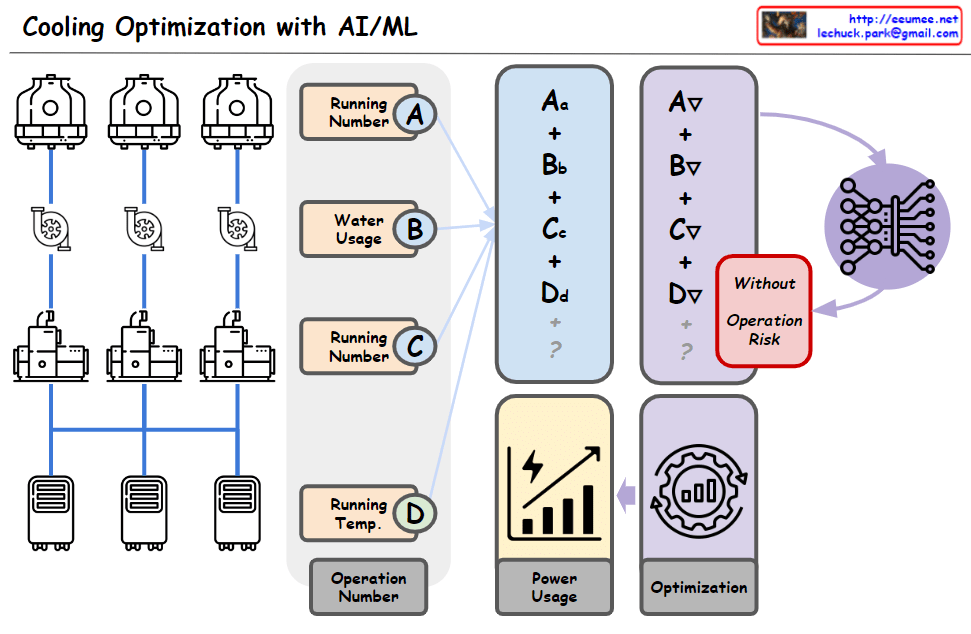
From DALL-E with some prompting The illustration depicts a process where key operational metrics related to energy usage in cooling systems are analyzed by AI to achieve energy optimization. The AI model evaluates essential data such as running numbers, water usage, and operational temperature to continuously optimize the system while emphasizing stable operation without disruptions. This represents an advanced approach to managing cooling systems that enhances energy efficiency while minimizing operational risks.
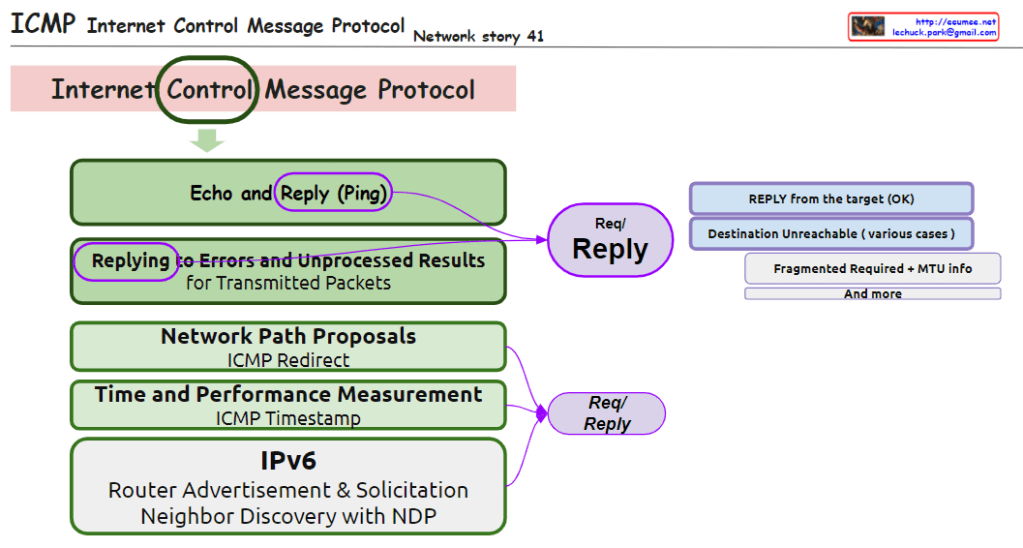
From DALL-E with some prompting This image succinctly demonstrates the essential functions of the Internet Control Message Protocol (ICMP), emphasizing the protocol’s ability to check network paths and status through simple request and response actions. This includes echo (ping) operations, error messages, network path change suggestions, timing measurements, and IPv6 functionalities, all contributing to the efficiency and performance enhancement of network operations.