OSPF Link STATE

From DALL-E with some prompting
The image provides an overview of the OSPF Link State Advertisements (LSAs) and their contents:

The LSA Header includes general information about the LSA, such as its age, type, the router that generated it, and data integrity checks.

LSA Type 1 (Router LSA): This LSA type is used by routers to determine the best paths to other routers within the same area. It contains information about the router’s interfaces, connected routers (with Router ID), and the status and cost of each link.

LSA Type 2 (Network LSA): Generated by the Designated Router, it describes the routers attached to a multi-access network segment. It includes the network mask and a list of all routers on that network, facilitating the exchange of segment-specific router information.

LSA Type 3 (Summary LSA): Used by Area Border Routers (ABRs) to share internal network addresses between areas, summarizing the routing information and containing the network mask of the summarized routes along with the metric cost to reach them.

In essence, LSA Type 1 helps routers within the same area determine optimal routing paths. LSA Type 2 is used to exchange information about network segments and the routers connected to them. LSA Type 3 is for sharing summarized internal network addresses between different OSPF areas.
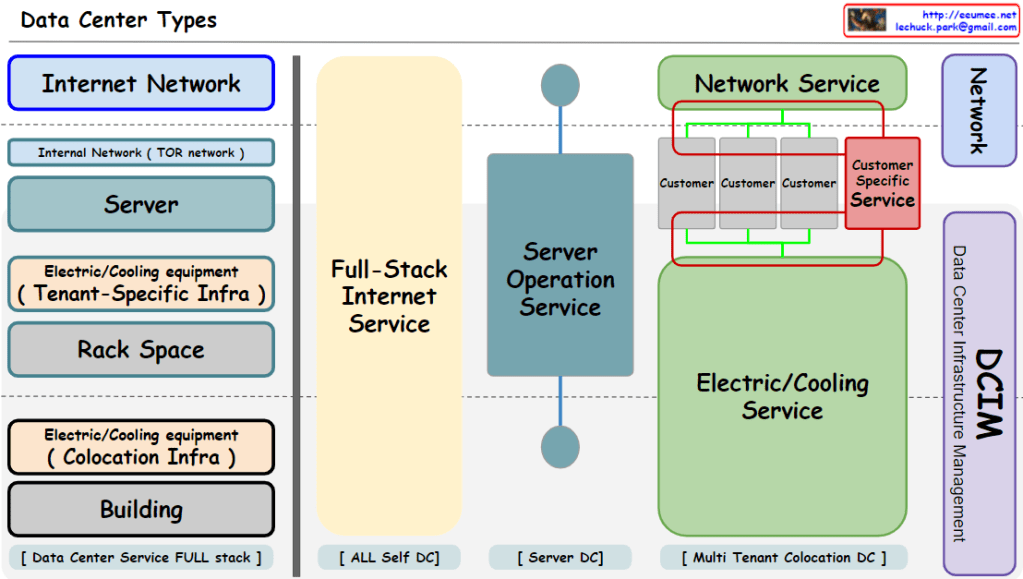
Data Center Service Types

From the Bard with some prompting

Data Center Types Diagram

This diagram shows four main types of data centers:

  • Full-stack data centers provide a comprehensive solution for all of a customer’s IT infrastructure. This includes servers, networks, storage, security, and operational services.
  • In-house data centers are owned and managed by the customer. This includes servers, networks, storage, security, and operational services.
  • Server data centers provide only servers. This includes servers, networks, and operational services.
  • Multi-tenant colocation data centers are shared by multiple customers. This includes servers, networks, and operational services.

This diagram shows the various factors that should be considered when selecting a data center. It is important to choose the type that is best suited to the customer’s needs and budget.

ICMP2

From DALL-E with some prompting
The image introduces the overarching functionality of the Internet Control Message Protocol (ICMP). ICMP serves to provide feedback when network equipment cannot further forward packets, explaining the reasons via messages indicating destination unreachable, time exceeded, parameter problems, among others. It also includes the redirect function, suggesting better routing paths between network devices, thus enhancing the overall network efficiency. Fundamentally, ICMP operates on a request and reply structure, which is essential for checking network status and diagnosing issues.