
From Claude with some prompting
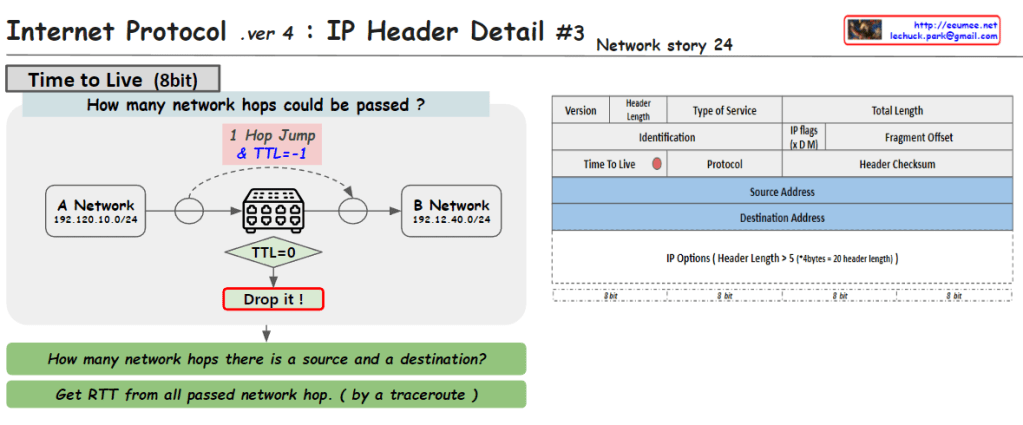
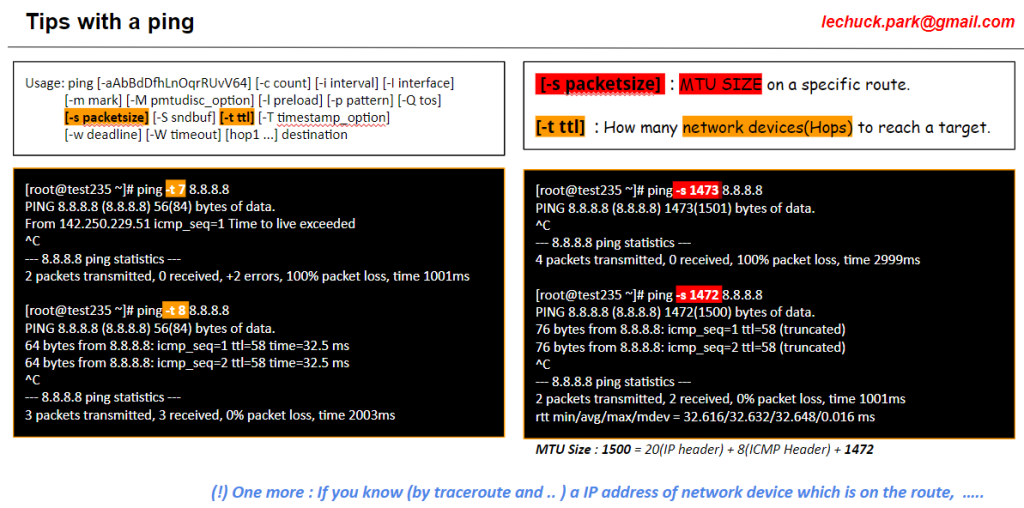
This image explains the concept of “Traceroute: First Send, First Return?” for the traceroute utility in computer networking. Traceroute sends IP packets with increasing Time-to-Live (TTL) values, starting from TTL=1, 2, 3, and so on. When the TTL reaches 0 at a network hop, that hop returns an ICMP (Internet Control Message Protocol) message back to the source.
However, the order in which the response packets are received at the source may differ from the order in which they were sent, primarily due to two reasons:
- Generation of ICMP response packets is a CPU task, and it can be delayed due to CPU settings or other processing priorities, causing a delay in the response.
- The ICMP response packets can take multiple paths to return to the source, as indicated by the text “Packet replies can use multiple paths” in the image. This means that responses can arrive at different times depending on the route taken.
As a result, when analyzing traceroute results, it is essential to consider not only the TTL sequence to determine the network hops but also factors like response times and paths taken by the responses.
The potential delay in ICMP packet generation by the CPU and the use of multiple return paths can cause the actual response order to differ from the sending order in traceroute.
Understanding that the response order may not strictly follow the sending order due to CPU processing delays and the use of multiple return paths is crucial when interpreting traceroute results.
 Lechuck Park